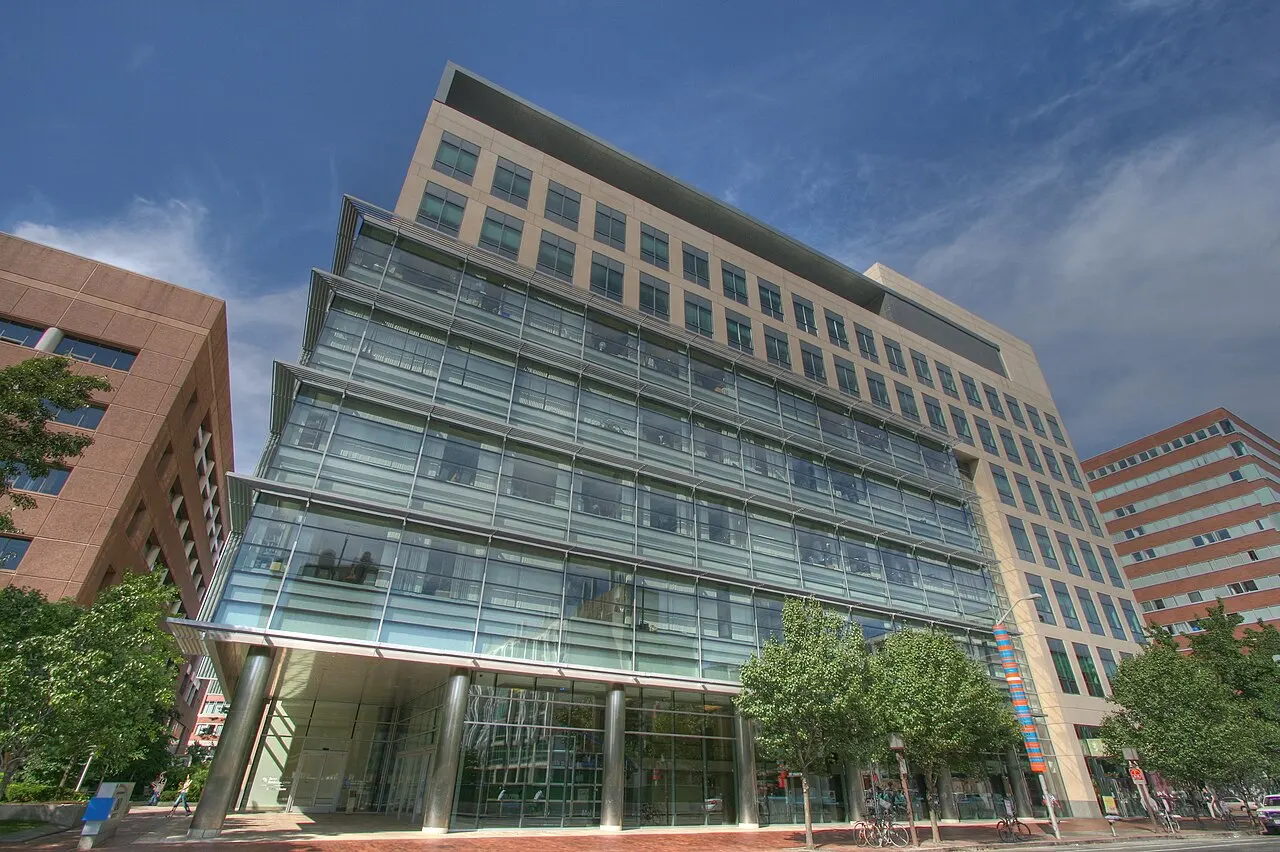
See how researchers search for the root causes of cancer, psychiatric illness and infections.
Why It Matters
The Broad Institute of MIT and Harvard studies the root causes of human disease with partners across the globe and shares its datasets and tools with scientists everywhere. Its public exhibition presents this research to visitors.
The database’s 2023 release holds data from over 800,000 people. It supports the discovery of genes and variants linked to genetic diseases.
By 2000, that center had produced roughly a third of the draft sequence assembled by the 16-laboratory consortium.
A 2021 dataset combines screens from the institute and the Wellcome Sanger Institute in the UK, covering about 17,500 genes in 908 cancer cell lines, to find new targets for cancer drugs.
In 2022, Cambridge, Massachusetts, was home to more than 250 biotech companies, over 120 of them in the Kendall Square zip code, where the institute is based.
A gift of USD 100 million from the philanthropists Eli and Edythe Broad launched the institute in 2004, which bears their name.
More than 6,000 scientists from MIT, Harvard, its teaching hospitals and other partners work with the institute.
100,000 whole human genomes had been sequenced by the institute by April 2018, 15 years after the Human Genome Project was completed.
Prime editing is a genome editing method reported by an institute team in 2019 that needs no double-strand breaks.
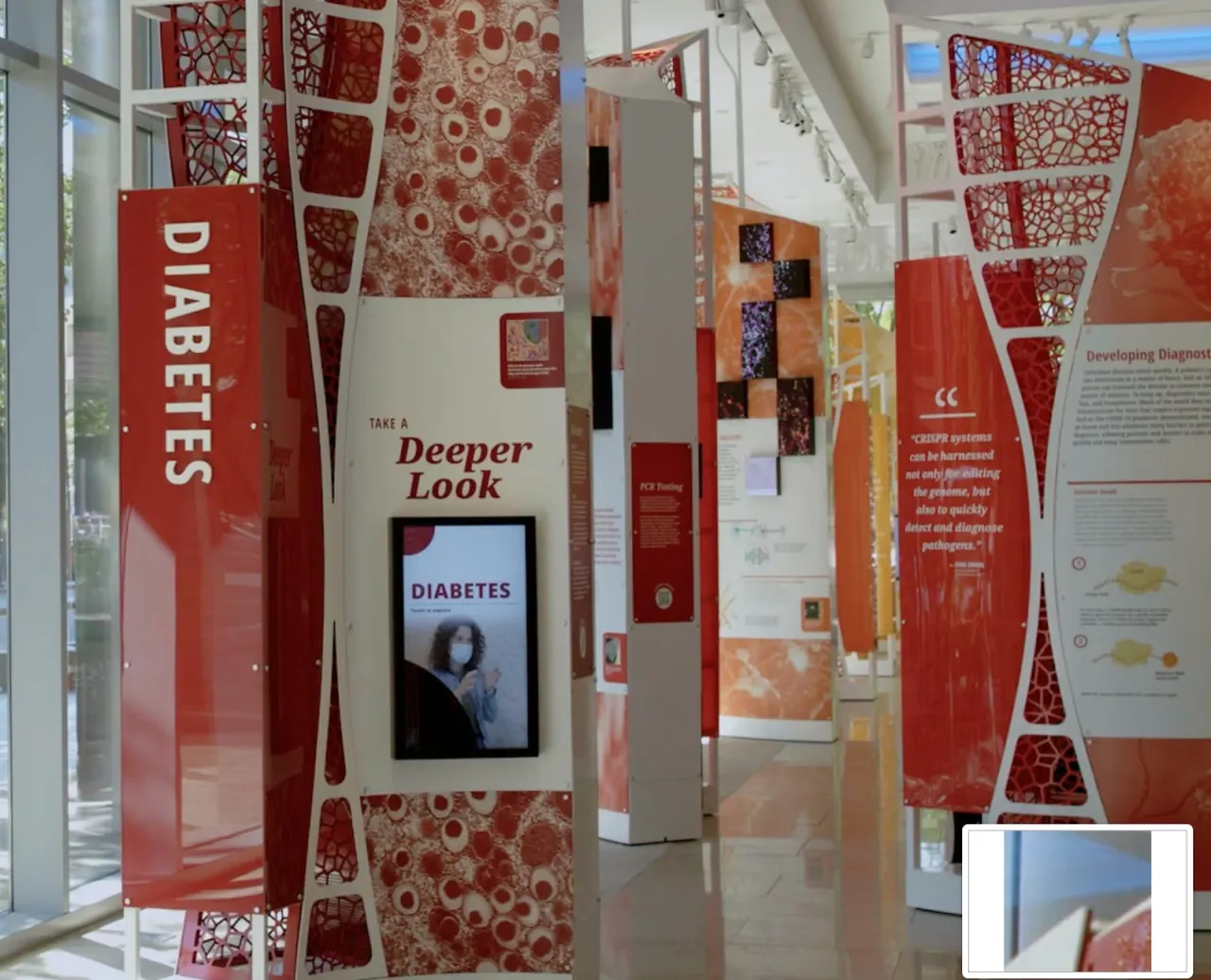
What You Experience
The cancer gallery shows how scientists look for vulnerabilities in tumors that could become targets for new and better cancer drugs.
The infectious disease gallery presents work on better ways to diagnose infections and to fight bacteria that no longer respond to antibiotics.
The gallery shows how the institute’s teams are tackling heart disease, diabetes and rare diseases.
The interactive Be a Researcher exhibit has visitors help uncover the biological mechanism of a disease and devise a strategy to treat it.
This additional tour for groups of five or more ends with a moderated talk in which a researcher from the institute describes their career and links their work to the exhibits.
What You Need to Know
Access & Logistics
Details may change. Check the operator’s website before visiting.
Why it matters
What the visit covers
Worth knowing
Plan Your Visit
Broad Institute
Image credits
Photo: Madcoverboy, CC BY-SA 3.0 (creativecommons.org/licenses/by-sa/3.0), via Wikimedia Commons (commons.wikimedia.org/wiki/Special:Redirect/page/30431375)
Photo: Company website, broadinstitute.org/broad-discovery-center