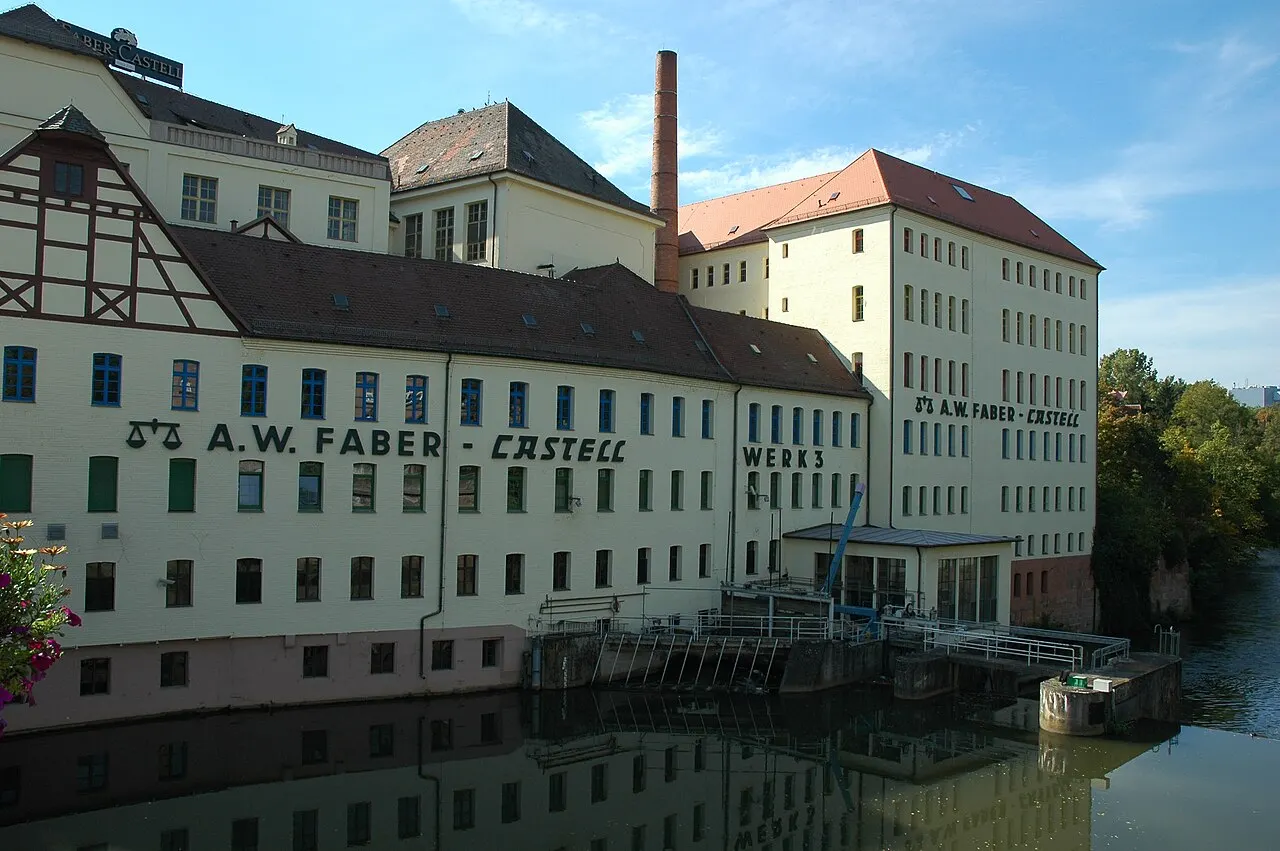
Watch graphite and colored pencils take shape in a factory, from raw pencil to sharpened tip.
Why It Matters
Faber-Castell supplies pencils to markets worldwide from its plants, mostly using wood from its own plantation. The guided tour shows how graphite and colored pencils are made in the town where the family firm began.
Its own plants in nine countries turn out more than 2 billion graphite and colored pencils a year, and its products are sold in over 120 markets.
About 1,000 of them are based in Germany, home to the headquarters in Stein near Nuremberg, where the company also makes wood-cased pencils.
About 4.5 million pines on 8,200 hectares in Prata, Brazil, cover most of the company’s wood needs. Some 300,000 seedlings are planted each year.
Faber-Castell, Staedtler, Schwan-Stabilo and Lyra grew out of the region’s pencil trade and have stayed among the world’s leading firms in the industry.
The firm’s New York branch opened in 1849, followed by London in 1851 and Paris in 1855, under Lothar Faber.
Nine generations of one family have owned the company since Kaspar Faber began making pencils in Stein in 1761.
A hydropower turbine has run at the site since 1956 and generates over 1.5 million kilowatt-hours a year.
Ten billion pencils came in 2023 from one Chinese county, Qingyuan, where 52 companies exported over 85 percent of them.
What You Experience
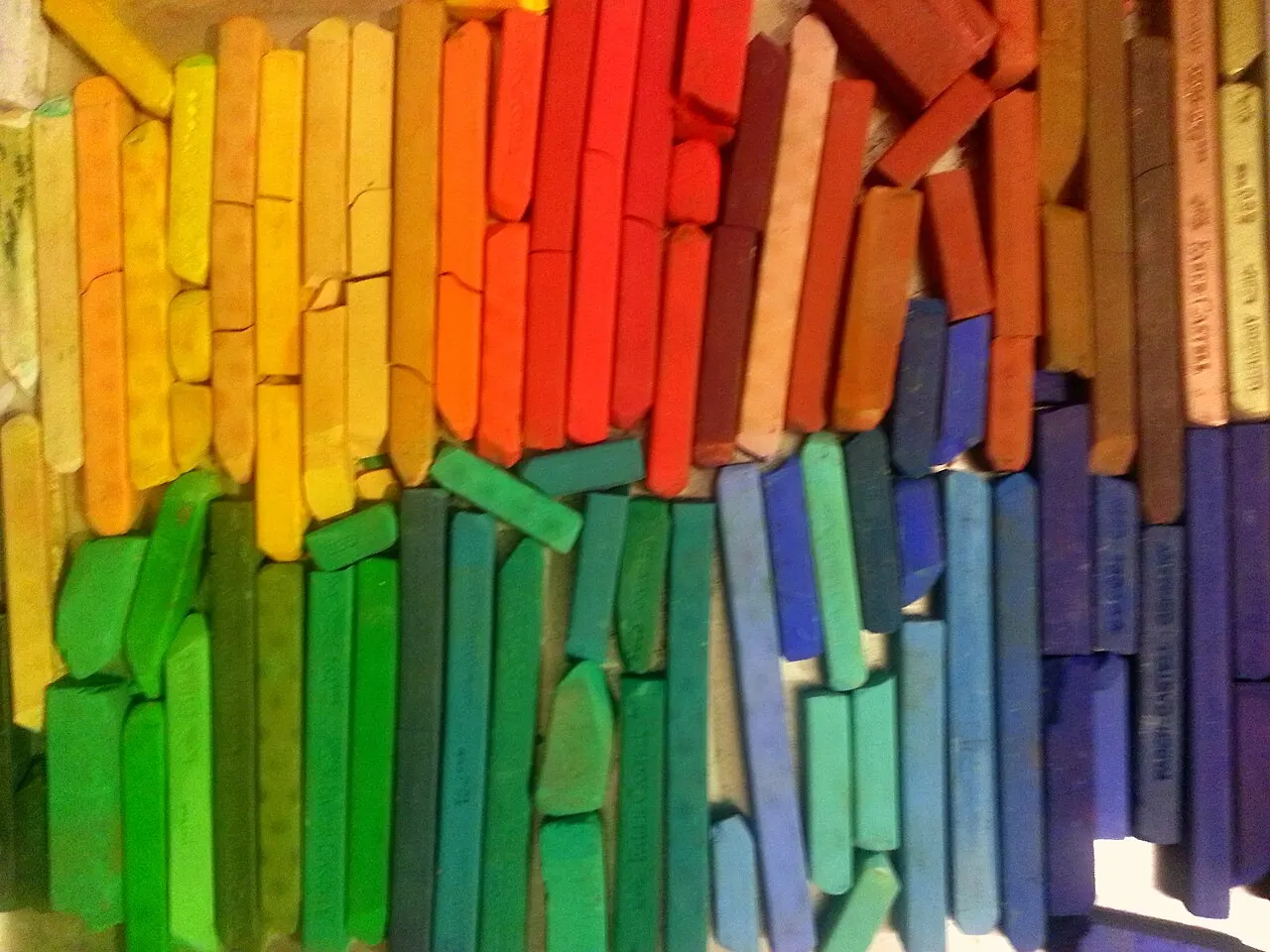
The visitor center is the meeting point for all tours. Its rainbow ceiling leads into the flagship store, with drawing tables for trying the products.
Follow graphite and colored pencils through the raw-pencil line and the stamping, dipping and sharpening shops of the modern factory.
This additional tour shows pencil-lead making in the 19th and 20th centuries on two floors of the former lead works, a listed building from 1848.
This additional tour covers the period from 1945, when reporters covering the Nuremberg trials were lodged in the family’s castle.
What You Need to Know
Access & Logistics
Details may change. Check the operator’s website before visiting.
Why it matters
What the visit covers
Worth knowing
Plan Your Visit
Image credits
Photo: Rolf Krahl, CC BY 4.0 (creativecommons.org/licenses/by/4.0), via Wikimedia Commons (commons.wikimedia.org/wiki/File:Stein_Faber-Castell.jpg)
Photo: יעל י, Wikimedia Commons (CC BY-SA 4.0), commons.wikimedia.org/wiki/File:Crayons_Faber-Castell_production.JPG