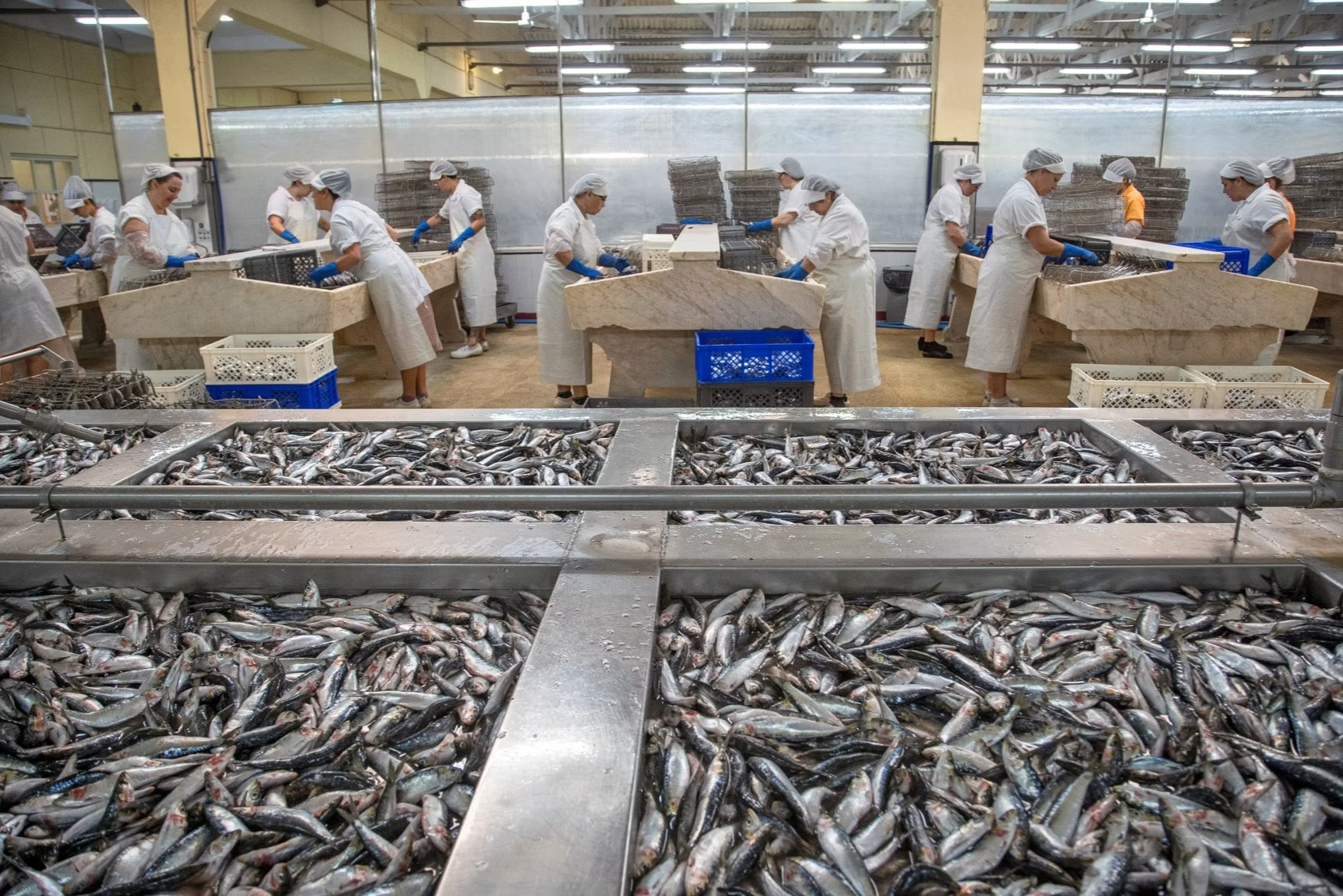
Walk through a sardine factory while its production keeps running.
Why It Matters
Conservas Pinhais is one of the fish-canning companies still operating in Matosinhos, Portugal. A guided tour takes visitors through the factory while production runs.
Across all canned fish, the industry sold EUR 334 million of its products abroad in 2024, 85 percent of its total sales.
In 2023 Spain took 29 percent of Portugal’s canned-fish exports by volume and France 24 percent. Nearly half of the canned tuna exported went to Spain.
Portugal’s fish canneries count about 4,000 direct jobs, 80 percent of them held by women, and more than 7,000 indirect jobs.
The port town once counted up to 59 canning companies. In 2026 the 11 that remain employ about 600 people.
Founded in 1920 by two brothers and two outside partners, the company still cans fish in Matosinhos today.
An estimated 53.6 kilograms of seafood per person makes Portugal’s consumption the EU’s highest, measured as live weight in 2023.
Around 400 canneries operated in 1925, the industry’s peak, against 20 in 2015.
Around 40 stages turn a sardine into a canned product, and the work at this factory is almost entirely manual.
What You Experience
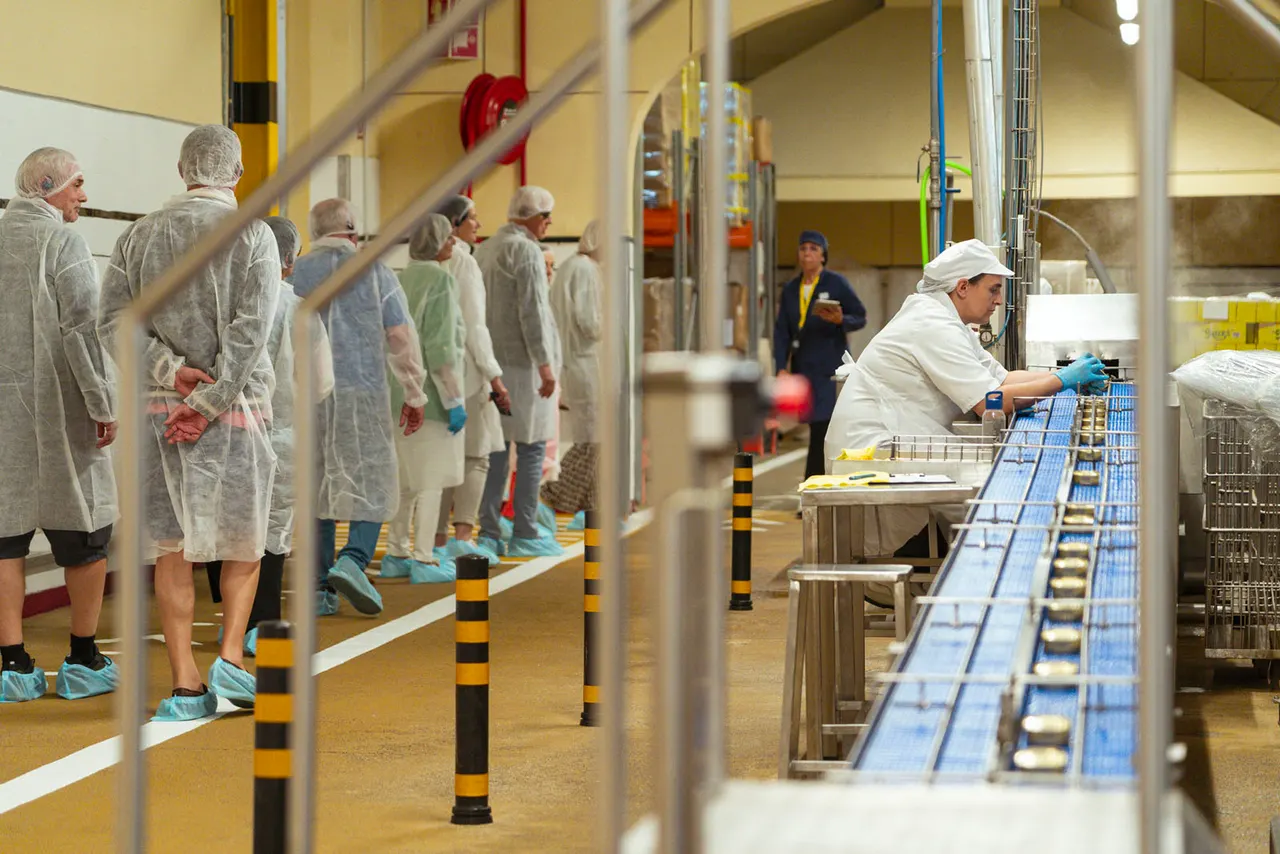
Workers pack the fish into tins by hand, and machines then add the olive oil. The day’s production plan decides what happens on the floor.
Oil sprayers, pulleys and steam ovens make the floor loud, so guests wear headphones to hear the guide.
Visitors wrap a tin in paper, following the technique of the factory’s artisans.
The visit ends with a tasting of the factory’s two canned-fish brands, Nuri and Pinhais.
What You Need to Know
Access & Logistics
Details may change. Check the operator’s website before visiting.
Why it matters
What the visit covers
Worth knowing
Plan Your Visit
Conservas Pinhais
Image credits
Photo: Conservas Pinhais, company website (conservaspinhais.com/en/home)
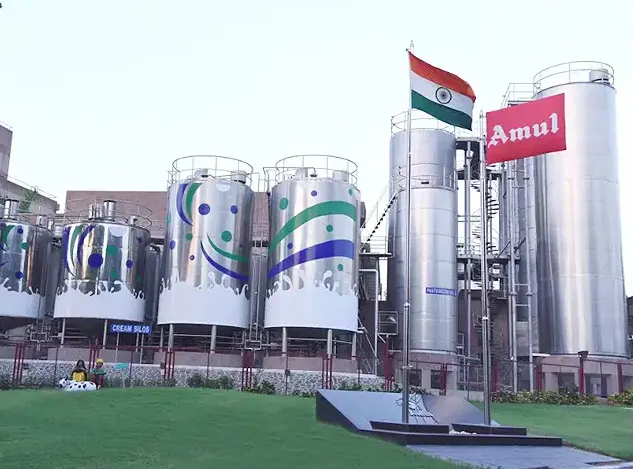
Anand (IN) · Factory Tour
Amul Dairy Tour
See the farmer-owned dairy whose model helped make a nation the top milk producer.
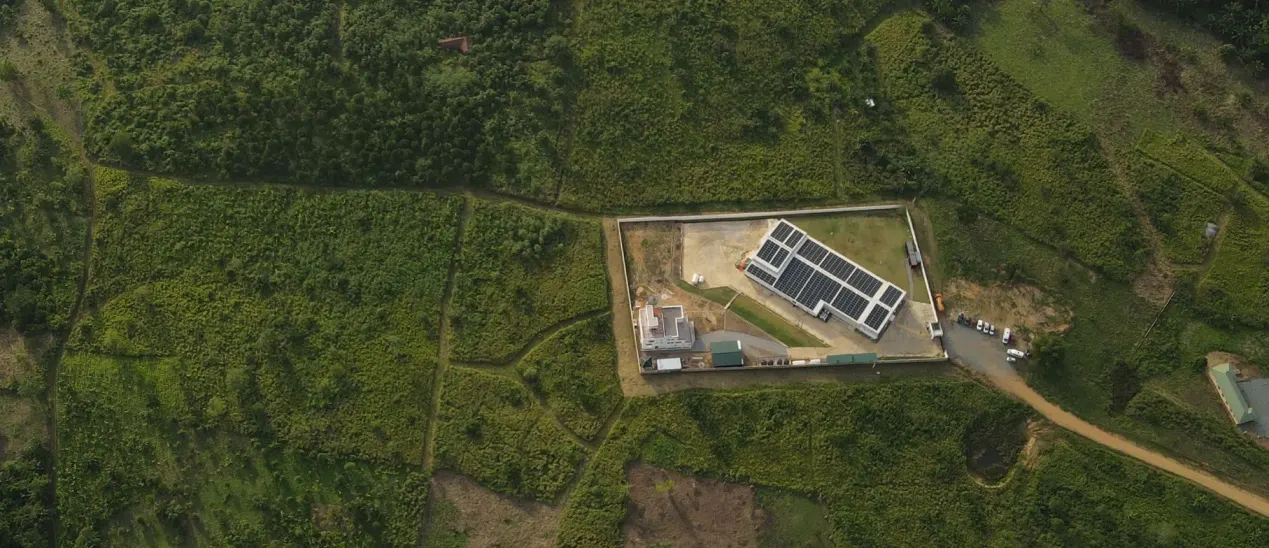
Amanase (GH) · Factory Tour
fairafric Farm to Factory Tour
Walk through cocoa farms, meet the growers and watch their beans become chocolate bars.
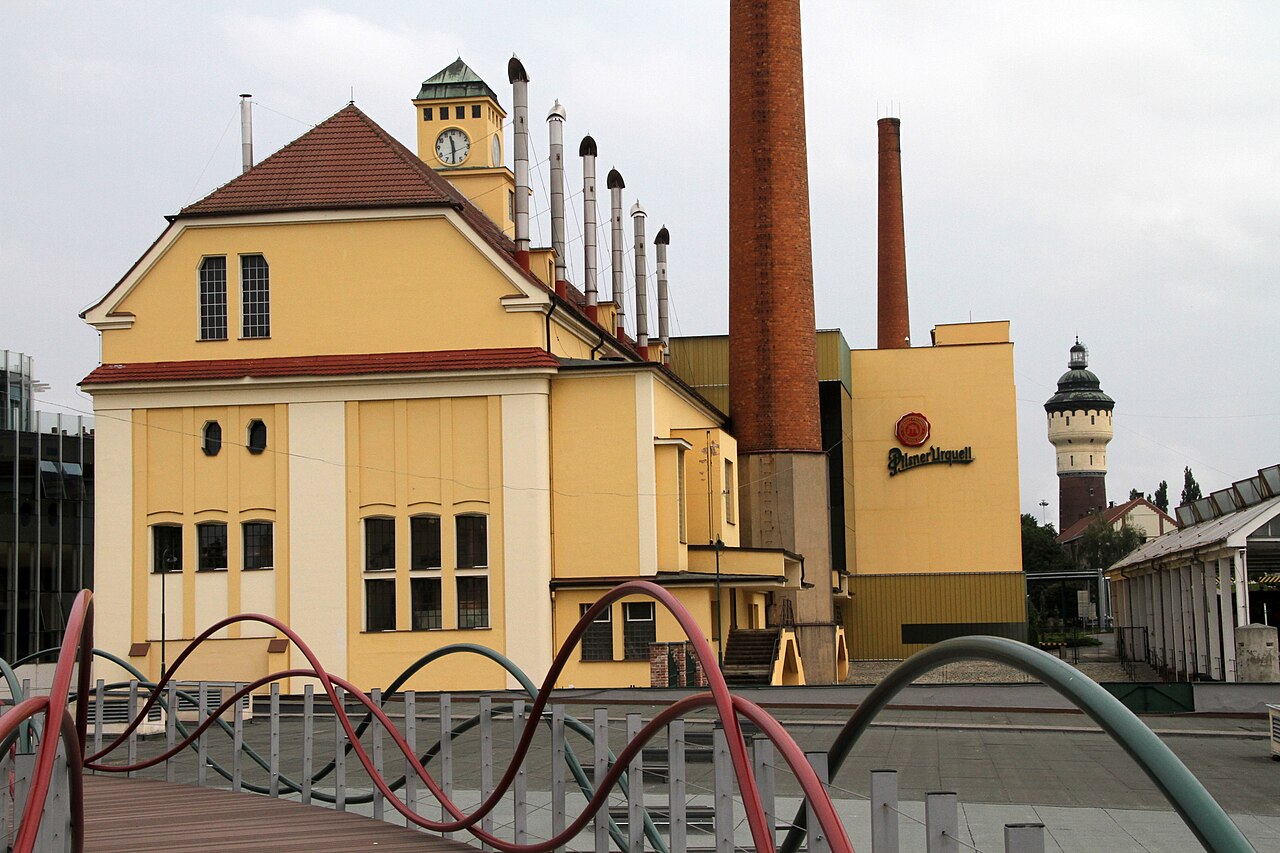
Pilsen (CZ) · Factory Tour
Pilsner Urquell Brewery Tour
Trace pilsner brewing, born here in 1842, to cellars where beer still ferments in open vats.
